
The OKT story
FOUR DECADES OF PNEUMATIC LAUNCH INNOVATION
1983: WHERE CURIOSITY MEETS CAPABILITY
In 1983, Olav Horpestad purchased a model helicopter. Not to fly it, but to take it apart. He wanted to understand the mechanics—how the rotors worked, how the control systems functioned, how everything fit together. It was this curiosity about how things worked that would change the course of his career.
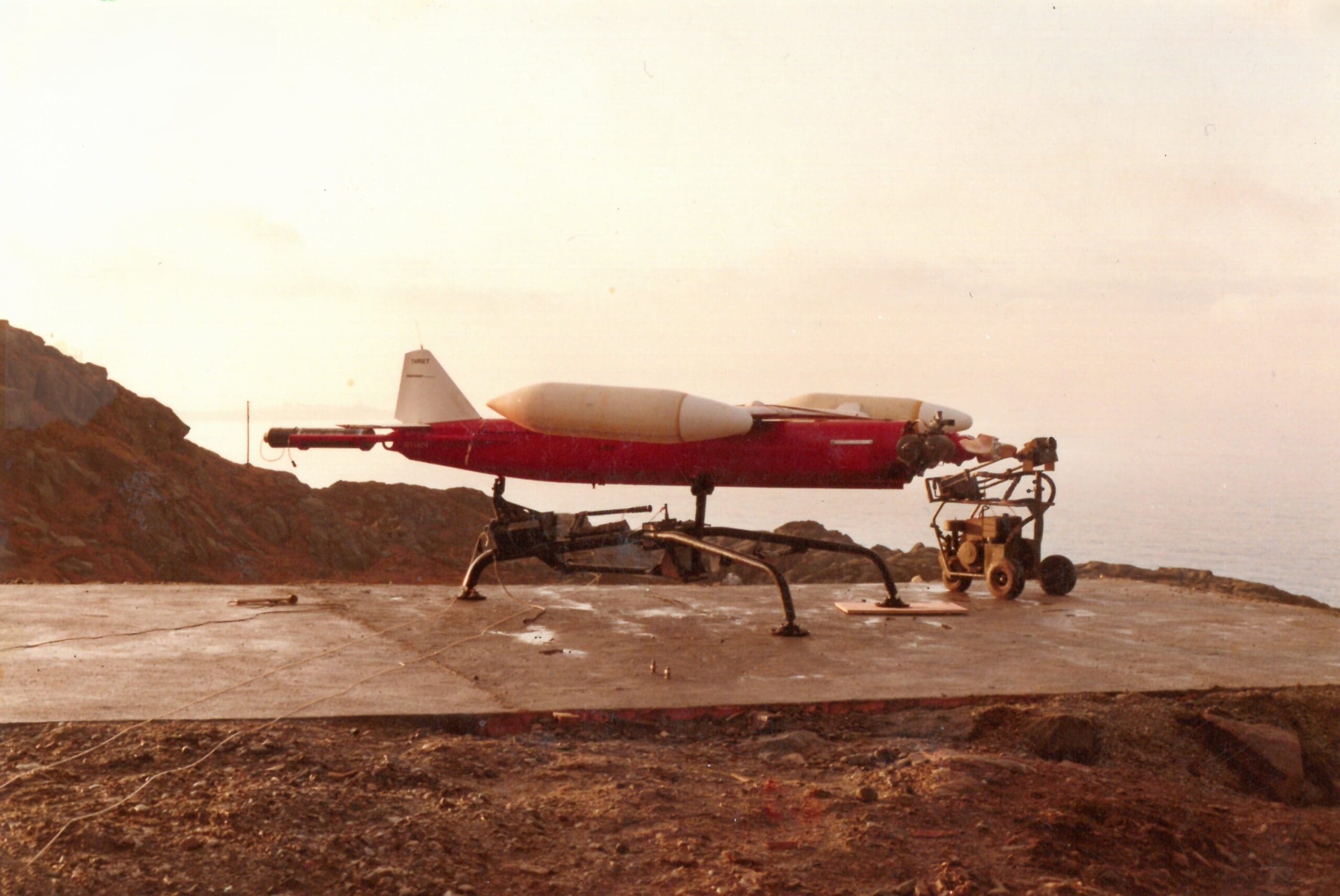
That same year, the phone rang. A captain from the Norwegian Armed Forces drone division at Sola airbase had a problem. Their Northrop hydraulic start ramp was badly rusted just days before a critical exercise, and they needed help. Word had reached them about a local engineer with unusual mechanical skills.
Olav took the job. And when the ramp was fixed, another call came.
The Armed Forces needed a launch cart for the Northrop drone. Could Olav build one? He quoted 2,300 Norwegian kroner and received the order. When that cart was delivered and working, the military came back with a more serious request.
THE FIRST OKT CATAPULT
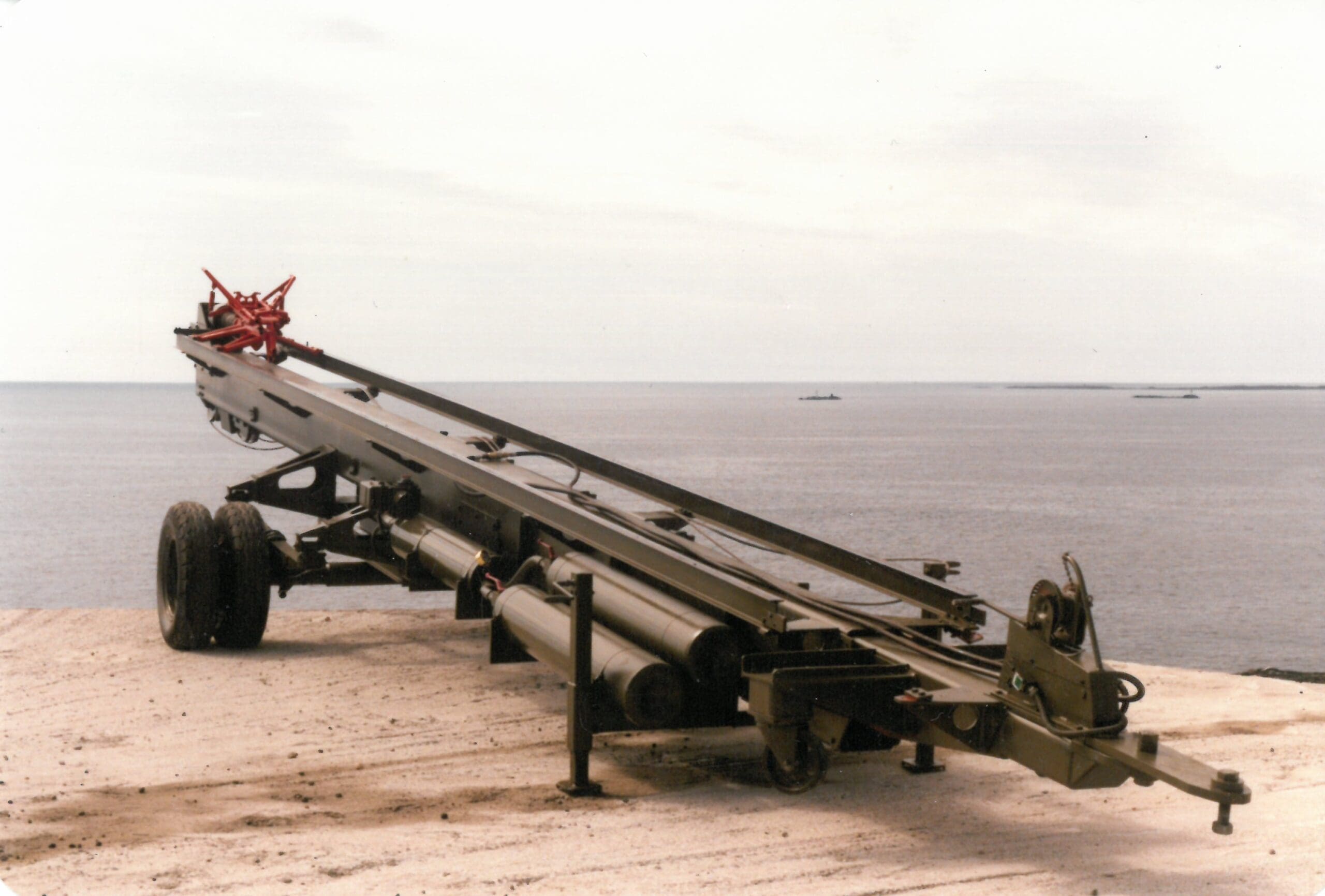
They’d had a close call. JATO gas cylinders had nearly exploded during a launch sequence. The current system was dangerous, and they needed a better solution. They needed a catapult—something safer, more reliable, more controllable.
Olav had never built a catapult before. He contacted his hydraulic components supplier and began researching. He studied aircraft carrier catapult systems, naval engineering documents, anything he could find about launching aircraft without runways. Then he sat down and designed something new.
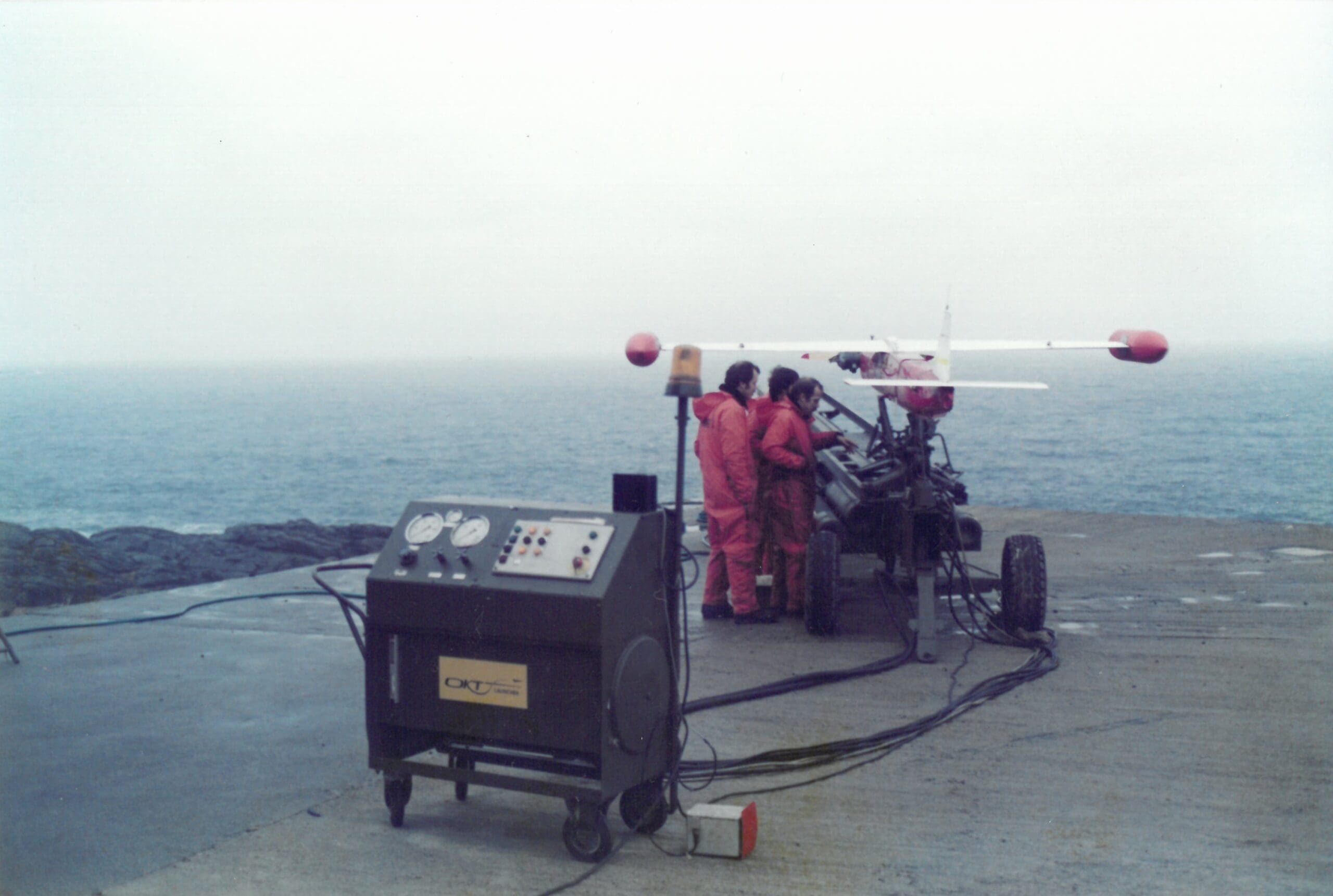
The prototype drawings went to the Armed Forces. The specifications were demanding: the system had to launch the Northrop drone reliably while keeping forces below 4G to protect the airframe and equipment. It had to work in Norwegian weather. It had to be dependable.
The order came through. One hydraulic catapult, delivered in 1983.
That first system worked. And it kept working. The foundation for everything that followed was built in that first design—hydraulic power for controlled acceleration, robust construction for field operations, and engineering that prioritized reliability over complexity.
1993: THE ARCTIC CHALLENGE
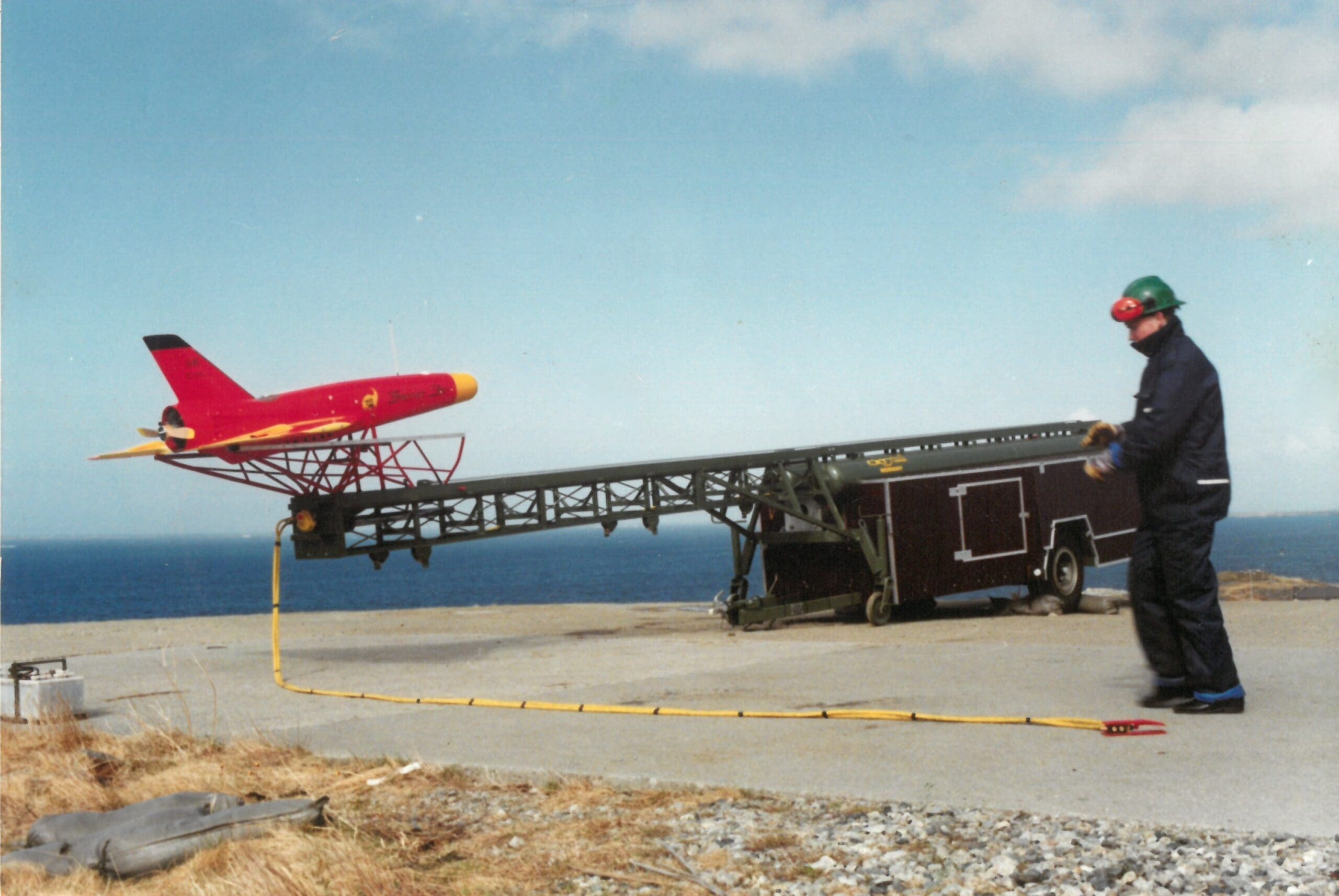
Ten years later, the Norwegian Armed Forces acquired new drones from Meggitt in the UK with elastic bungee catapults. During winter exercises in Northern Norway, the problems appeared immediately: elastic bands lose their stretch in extreme cold, making launches unpredictable and operations impossible.
The Armed Forces contacted OKT. Could they develop something that would work in Arctic conditions?
OKT secured 395,000 Norwegian kroner from the Industrial Development Fund and explored a fundamental shift: pneumatic technology. Compressed air could maintain consistent pressure regardless of temperature, with smoother acceleration that was gentler on the airframe.
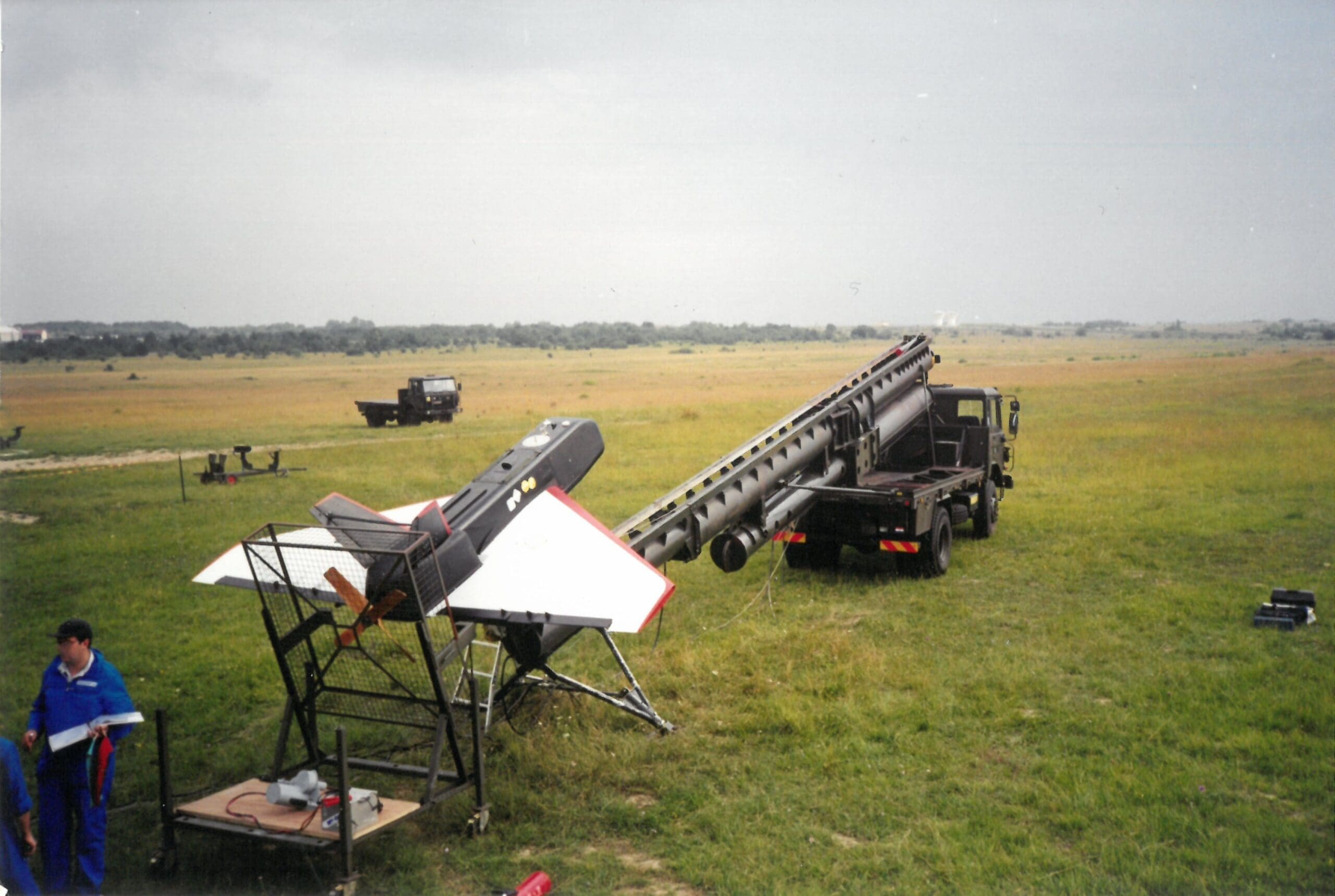
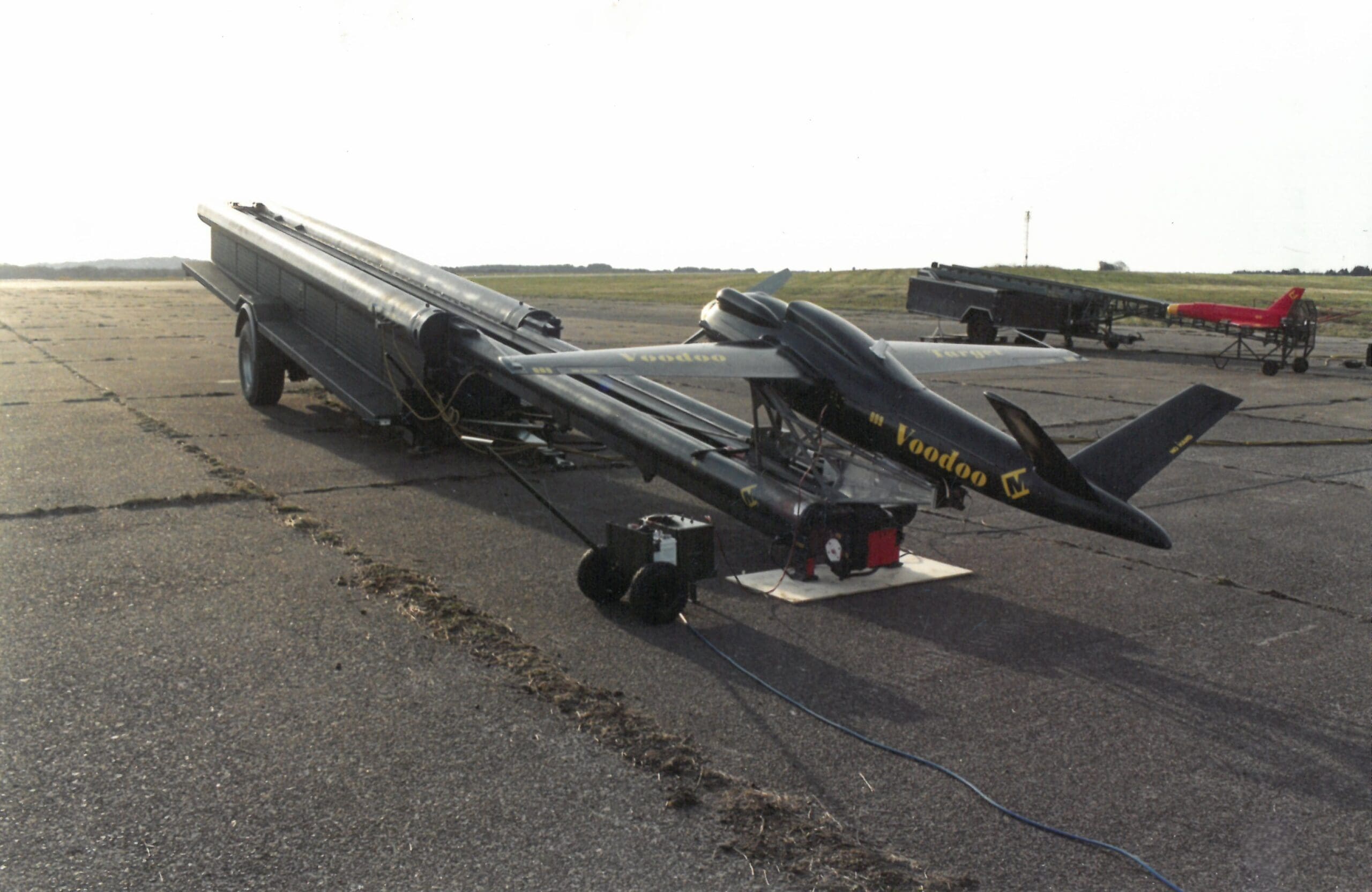
In 1995, OKT delivered the pneumatic cold-weather catapult. It worked where elastic systems failed, and word spread through NATO channels. If OKT could solve the Arctic problem, they could solve other problems too.
BUILDING AN INTERNATIONAL REPUTATION
Over the next two decades, OKT’s pneumatic launch systems were delivered to customers across Europe and beyond. The technology had proven itself, and customers wanted systems that could handle diverse operational challenges—different drone weights, different operational environments, different mission profiles.
The customer list grew: multiple systems for the Norwegian Armed Forces, contracts with CAC Systems in France, Inta in Spain, Dornier in Germany, Sagem in France, Meggitt in the UK, customers in Turkey, Andøya Space Defence back home in Norway and Norup in Trondheim.
Each delivery taught new lessons. Each operational deployment revealed new requirements. Each customer relationship added to the accumulated knowledge of what works in the field versus what works on paper.
2024: A STRATEGIC PARTNERSHIP

OKT Defence joined JB Group, bringing together specialized pneumatic launch expertise with decades of offshore oil and gas engineering experience. The combination made strategic sense: both companies understood harsh environments, both built equipment that couldn’t afford to fail, both served customers where reliability wasn’t negotiable.
JB Group brought proven capabilities in hazardous area engineering, NATO-standard manufacturing, and the kind of quality systems developed for offshore platforms where a breakdown isn’t just inconvenient—it’s dangerous. OKT brought 40 years of field-proven launch technology and deep relationships with defence customers.
The integration created JB OKT Defence—a company that could offer both specialized expertise and the resources to scale globally.